Protein is super important when it comes to building muscles and reaching your fitness goals. It’s like the worker bees for fixing and growing your muscle tissues, so it’s a must-have nutrient for anyone wanting stronger muscles. But figuring out how to eat the right amount of protein can be tricky with all the info out there. In this article, we’ve got you covered with a complete guide on how to make the most of your protein intake to boost your muscle gains. We’ll talk about finding the best protein sources, the right times to eat, and how much you need.
Understanding Why Protein is Vital for Muscle Growth
Before we get into how to eat protein the right way, let’s take a moment to understand why protein is so crucial for building muscles. Protein is made up of tiny units called amino acids, and these are like the building blocks that your muscles use to fix themselves. When you work out or do exercises that challenge your muscles, they can get little tears or damage. Protein comes to the rescue by repairing and making your muscles bigger and stronger. So, it’s a big deal when it comes to building those muscles you’re after!
Picking the Right Protein Sources for Strong Muscles
To get the best muscle gains, you’ve got to choose the right foods with protein. Eating a variety of protein-rich foods helps because they give you all the important amino acids. Check out these great protein sources for building muscles:
- Lean Meats: Chicken, turkey, beef, and pork have lots of high-quality protein that’s great for making your muscles bigger and stronger.
- Fish: Fish like salmon, tuna, and cod are not only packed with protein but also give you omega-3 fatty acids, which help your muscles recover and keep inflammation in check.
- Eggs: Eggs have all the amino acids your body needs to fix and grow muscles, making them a complete protein source.
- Dairy Products: Milk, Greek yogurt, and cottage cheese are rich in protein and also have calcium, which helps your muscles work well.
- Plant-Based Proteins: If you’re a vegetarian or vegan, there are awesome plant-based options like tofu, tempeh, lentils, and beans that can help you build muscles.
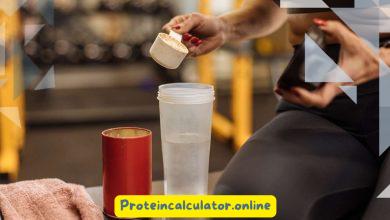
- Protein Supplements: Sometimes, protein supplements like whey, casein, or plant-based powders can be handy to meet your daily protein goals. They’re easy to use when you need a quick protein boost.
So, choose the ones that work best for you and your diet to fuel those muscles!
Figuring Out How Much Protein You Need
Now, let’s figure out just how much protein your body needs. It’s different for everyone, depending on your age, weight, how active you are, and what you want to achieve with your fitness. A good rule of thumb for building muscles is to aim for between 1.2 to 2.2 grams of protein per kilogram of your body weight each day. You can calculate your daily protein needs using this formula:
Bodyweight in kg x Protein intake per kg (e.g., 1.6 grams) = Daily protein requirement in grams
Timing Your Meals for the Best Muscle Gains
When it comes to building muscles, when you eat your protein matters too. To make your muscles repair and grow the most, spread your protein intake over several meals throughout the day. Try to have meals or snacks with protein every 3 to 4 hours. This way, your muscles always have a steady supply of amino acids, which they need to keep recovering and growing.
Protein Before You Work Out
Eating some protein before you exercise can give your muscles the amino acids they need while you work out. This helps stop your muscles from breaking down and helps them grow. It’s a good idea to choose a protein that’s easy to digest before you hit the gym. Things like protein shakes, Greek yogurt, or a chicken salad are great choices.
Protein After You Work Out
Right after you finish your workout is a really important time for your muscles to recover and grow. Your muscles are like sponges, ready to soak up nutrients. That’s why it’s a great time to eat some protein. Pick a protein source that’s quick to digest, like whey protein, to kickstart the recovery process fast. Adding some carbohydrates can help your body absorb protein better and refill your energy stores.
Also Read:
- Maximize Muscle Growth: 10 Tips for Hitting Your Daily Protein Goals
- How Much Protein Should I Take if My Weight is 70 Kg?
Hydration and Making Protein Work for You
Drinking enough water is super important when you’re eating a lot of protein. Water helps your body move nutrients, like amino acids from protein, where they need to go. This is key for muscle function and stopping dehydration, which can slow down your workouts. So, make sure you’re sipping on water throughout the day, especially if you’re eating a lot of protein.
How Protein Helps Your Muscles Recover
Protein isn’t just for building muscles; it also helps your muscles recover. When you work out hard, your muscles can get tiny tears, which can make you feel sore and tired. Eating enough protein speeds up your recovery reduces muscle soreness, and gets you ready for your next workout.
Busting Protein Myths
There are some myths about protein and muscle building that need to be set straight:
- Myth: More Protein Means More Muscles – Nope, your body can only use so much protein for muscles. Too much gets stored as energy or gets rid of.
- Myth: Only Protein Shakes Work – Whole foods with protein work just as well as shakes. Eating a mix of protein-rich foods is a smart move.
- Myth: Protein Makes You Gain Weight – Protein by itself doesn’t make you gain weight. It’s about calories in versus calories out, no matter where those calories come from.
- Myth: Only Animal Protein Is Good – Plant-based proteins can be just as good for muscles if you eat different types of them to get all the amino acids your body needs.
- Myth: Protein Only After Working Out – While it’s important to have protein after a workout, it’s also good to spread protein intake throughout the day. That keeps your muscles happy all day long.
Conclusion:
To make your muscles grow, getting your protein right is key. You can max out your muscle gains and be a fitness star by picking good protein sources, figuring out how much you need, and eating protein at the right times. And don’t believe all the myths – just eat a balanced diet that helps your muscles. Keep up the hard work, stay on track, and watch those muscles get stronger every day!
FAQs:
Can You Get Stronger Without Protein Supplements?
Yes, you definitely can! Protein supplements are handy, but they’re not a must for building muscles. You can get all the muscle-building nutrients you need from regular foods.
Is Too Much Protein a Problem?
Yes, it can be. If you eat way too much protein, it can put extra strain on your kidneys and cause health issues. Stick to the right amount of protein based on your own needs.
Should You Eat Protein Before or After Working Out?
Both are important. Eating protein before a workout gives your muscles what they need during exercise. After your workout, protein helps your muscles recover and grow.
Can Plant-Based Foods Help You Get Stronger?
Absolutely! Plant-based proteins can help you get stronger, as long as you eat a mix of them to get all the amino acids your body needs. If you’re a vegetarian or vegan, you can still build muscles with a well-planned diet.
How Do You Stop Muscle Soreness After Exercising?
To avoid muscle soreness, make sure you’re eating enough protein and give your muscles time to rest and recover. Staying hydrated and doing proper warm-ups and cool-downs can also help reduce post-workout soreness.
How Soon Will You See Muscle Gains?
The timeline for getting stronger varies from person to person. Being consistent with your training, eating right, and taking enough time to recover are key. Typically, you might start noticing muscle gains within a few weeks to a few months, but it varies depending on your genetics and how hard you work out.