Protein is a super important part of our food that helps our bodies do many things. It helps build and fix our body parts, makes special things like enzymes and hormones, and keeps our immune system strong. We can find protein in lots of different foods, but some have more protein than others. In this article, we’ll talk about foods that are high in protein and give you tips on how to eat them.
Proteins are like puzzle pieces called amino acids, and there are 20 different kinds. Nine of them are super important, and we need to get them from our food. When we eat foods with lots of protein, our bodies take the protein apart into these amino acids, and we use them for lots of important jobs in our bodies.
High-Protein Foods: A Quick Look
Before we get into specific foods, let’s get a quick look at high-protein foods. These foods fall into different groups like lean meats, seafood, dairy, eggs, beans, nuts, grains, veggies, plant-based options, and protein supplements. By eating a mix of these foods, you can make sure you get enough protein every day.
- Lean Meats and Poultry: These meats are full of great protein and important nutrients like iron and B vitamins. Think of chicken breast, turkey, lean beef, and pork tenderloin.
- Seafood: Fish like salmon, tuna, and trout are packed with protein and heart-healthy omega-3 fatty acids. Other seafood like shrimp, crab, and mussels also give you a good dose of protein.
- Dairy Products: Milk, yogurt, and cheese are protein-rich, especially for folks who eat animal stuff. Greek yogurt is a standout in this group.
- Eggs: Eggs are a versatile and nutritious protein source. They’ve got all the amino acids you need and loads of vitamins and minerals.
- Legumes and Beans: These plant-based proteins are high in fiber, minerals, and antioxidants. Think lentils, chickpeas, black beans, and kidney beans.
- Nuts and Seeds: Besides healthy fats, nuts and seeds give you protein. Almonds, walnuts, chia seeds, and flaxseeds are great options.
- Grains and Cereals: Some grains, like quinoa, amaranth, and oats, have more protein than others. They’re still known for carbs but can help with your protein intake.
- Vegetables: Veggies don’t have as much protein as animal foods, but they still add up. Broccoli, spinach, peas, and Brussels sprouts have decent protein.
- Plant-Based Protein: If you’re into vegetarian or vegan eating, try tofu, tempeh, seitan, or plant-based meat substitutes. They’re all protein-packed.
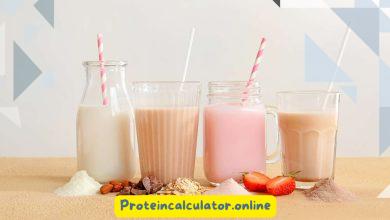
- Protein Supplements: Things like whey protein powder, casein protein, and plant-based powders are handy ways to get more protein, especially for athletes or people with special diets.
- Mixing Protein: You can make your meals balanced by mixing different protein sources. For example, pair lean meat with grains and veggies or combine legumes with rice.
Protein-Rich Meal Ideas
Incorporating high-protein foods into your meals can be enjoyable and nutritious. Here are some protein-rich meal ideas to inspire you:
- Grilled chicken breast with quinoa and roasted vegetables.
- Salmon with steamed broccoli and sweet potatoes.
- Greek yogurt topped with nuts and berries.
- Black bean and vegetable stir-fry with brown rice.
- Scrambled eggs with spinach and whole-grain toast.
- How Do I Burn Fat Without Losing Muscle?
The Importance of Protein for Health and Fitness
Protein is super important for your health and fitness. It does lots of good things like helping your muscles grow and fix themselves, keeping your weight in check, and making sure your blood sugar stays steady.
How Much Protein Do You Need?
The amount of protein you should eat every day depends on things like your age, sex, how active you are, and your overall health. But in general, adults should aim for about 0.8 grams of protein for every kilogram they weigh. If you’re super active or an athlete, you might need more.
Why Is a High-Protein Diet Good?
Eating lots of protein can be good for you. It can help you lose weight by making you feel full and speeding up your metabolism. It also helps you keep your muscles strong when you’re trying to lose weight. Plus, it can help you recover after you exercise.
Things to Watch Out For
Even though protein is important, you shouldn’t go overboard or eat only certain kinds. Too much protein can be hard on your kidneys, mess up your nutrient balance, and make you eat too much-saturated fat. It’s best to keep a balanced diet.
Protein for Special Diets
If you’re a vegetarian, vegan, or an older adult, you might need to think more about where you get your protein. But don’t worry, you can still get enough by eating things like beans, tofu, and whole grains.
Protein for Weight Loss
Protein is a great helper when you’re trying to lose weight. It uses up more energy to digest, keeps you full, and helps you eat fewer calories.
Protein for Strong Muscles and Recovery
Protein is a must for people who do strength training or lots of exercise. It helps your muscles grow and heal after you work out.
Protein for Vegetarians and Vegans
Even if you don’t eat meat or animal products, you can still get enough protein from plant sources like beans and grains.
Protein and Getting Older
As you get older, you might need more protein to keep your muscles and bones strong and stay healthy.
Protein for a Healthy You
Protein does lots of good things for your body, like helping your immune system, healing your wounds, and giving you energy. By making sure you eat enough protein, you can stay healthy and strong.
Conclusion:
Incorporating high-protein foods into your diet is super important for your overall health and feeling good. By eating a mix of proteins and making sure you get enough, you can make sure you’re eating right. Remember, it’s always a good idea to talk to a healthcare pro or a dietitian for personalized advice.
FAQs:
How can I know how much protein is in my food?
You can check food labels, look up online databases, or talk to a dietitian or nutritionist to find out how much protein is in your food.
Can I get enough protein if I’m a vegetarian?
Totally! If you’re a vegetarian, you can still get plenty of protein from plant-based foods like beans, tofu, tempeh, and quinoa.
Do athletes need protein supplements?
Not all athletes need supplements. Most can get enough protein from regular food. But if you’re not sure, it’s a good idea to talk to a sports nutrition expert.
Can you eat too much protein?
Yes, eating too much protein can be hard on your kidneys and cause other problems. So it’s best to stick to the recommended guidelines and balance your protein with other good stuff.
Is it better to eat protein before or after exercising?
It’s good to eat some protein both before and after you work out. Eating before gives you energy, and eating after helps your muscles recover.