Protein is really important for staying healthy, especially if you want to control your weight. If you weigh 70 kg (154 pounds), this article will help you figure out how much protein you should eat to make smart choices.
Why Protein Matters for Managing Weight
Protein is like the body’s building blocks. It helps with things like fixing and growing muscles. When it comes to weight control, protein does some important things:
- Makes You Feel Full: Eating foods with lots of protein helps you feel full and less hungry. This can stop you from eating too much and help you lose weight.
- Burns Calories: When your body digests protein, it uses up more calories compared to fats and carbs. This helps you burn more calories overall.
- Saves Muscle: When you’re trying to lose weight by eating less, having enough protein keeps your muscles strong. This way, most of the weight you lose is fat, not muscle.
How Much Protein Do You Need?
Figuring out how much protein you should have depends on things like your age, if you’re a boy or a girl, how active you are, and what you want to achieve with your health. No one answer fits everyone, but here’s a general idea:
You can think about how much protein you need based on your weight or how many calories you eat in a day.
Factors to Consider
When figuring out how much protein you need, here are some important things to keep in mind:
- How Active You Are: If you exercise a lot or do intense workouts, you might need more protein to help your muscles recover and get stronger.
- Your Body Goals: Whether you want to lose weight, build muscles, or stay the same, your protein needs can change.
- Your Health: If you have certain health issues or special medical conditions, your protein requirements might be different. It’s best to talk to a doctor or healthcare pro for personalized advice.
Why Protein is Important for Muscles
Protein is super important for making and fixing muscles. When you do things like lifting weights or doing exercises that make your muscles work hard, they get little tears. Protein helps mend those tears, making your muscles grow bigger and stronger over time.
How Much Protein Do Different People Need?
The amount of protein you need every day can vary based on who you are. Here’s a general idea for different groups of people:
- Not Very Active People: If you don’t move around much, you might need about 0.8 grams of protein for each kilogram (2.2 pounds) you weigh.
- Endurance Athletes: If you do long-distance sports like running or cycling, you could benefit from eating about 1.2-1.4 grams of protein for each kilogram you weigh.
- Strength Athletes: If you do heavy lifting or resistance workouts, you might need more protein – usually between 1.6-2.2 grams for every kilogram you weigh.
Protein for a 70 Kg Person
If you weigh 70 kilograms (154 pounds), how much protein you need depends on what you want to achieve and your daily life. But, for most people looking to stay healthy and manage their weight, eating about 0.8-1.2 grams of protein for each kilogram you weigh is a good range. That means around 56-84 grams of protein every day.
Where to Get Your Protein
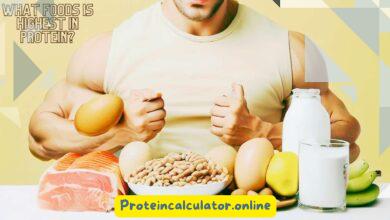
You can get protein from lots of different foods. Some good sources include:
- Lean meats like chicken, turkey, and fish.
- Eggs.
- Dairy stuff like milk, yogurt, and cheese.
- Legumes and beans.
- Nuts and seeds.
- Tofu and tempeh.
- Quinoa and other whole grains.
Best Foods for Managing Your Weight
If you’re trying to control your weight, adding foods high in protein to your diet can be helpful. These foods not only make you feel full but also help keep your muscles strong. Here are some high-protein foods that can support your weight goals:
- Greek Yogurt: Greek yogurt has lots of protein and can be eaten by itself or added to smoothies or fruit.
- Chicken Breast: Skinless chicken breast is a lean protein source. You can grill it, bake it, or toss it in salads.
- Salmon: Salmon is rich in protein and heart-healthy omega-3 fatty acids. You can bake it, grill it, or pan-fry it for a tasty and nutritious meal.
- Eggs: Eggs are a cost-effective and versatile protein source. You can boil them, scramble them, or use them in various recipes.
Protein Supplements for Weight Management
Along with whole foods, protein supplements can be a convenient way to get enough protein. Protein powders like whey or plant-based options such as pea protein can be mixed into smoothies or shakes. Make sure to pick high-quality supplements and talk to a healthcare pro if you have dietary restrictions or allergies.
Conclusion:
Protein is a big deal when it comes to managing your weight, especially if you weigh 70 kg. By understanding how much protein you need and eating good sources of protein, you can support your health, keep your muscles strong, and reach your weight goals.
Remember, it’s a good idea to talk to a healthcare pro or a dietitian to figure out the exact amount of protein that’s right for you and your goals.
FAQs:
Q: Do I have to eat protein if I want to lose weight?
A: Yes, protein is important for weight control because it makes you feel full, helps you keep your muscles, and supports your health.
Q: Can I eat too much protein?
A: While protein is important, having too much can strain your kidneys and cause health problems. Stick to the recommended amount.
Q: Are plant-based protein sources enough for weight control?
A: Absolutely! Plant-based proteins like beans, tofu, and quinoa can give you plenty of protein for weight management and have other health benefits too.
Q: Should I use protein supplements if I don’t do intense workouts?
A: Most people don’t need protein supplements. If you can get enough protein from food, you don’t have to use supplements.
Q: How can I know if I’m getting the right amount of protein?
A: Keep track of what you eat every day, use a nutrition tracker, or talk to a dietitian to make sure you’re getting enough protein.