In today’s health-conscious world, knowing how to figure out your protein needs is crucial for anyone wanting to stay healthy. Protein is a big part of what we eat, and it does many important things in our bodies, like fixing muscles, making enzymes, and controlling hormones. This detailed guide will help you figure out exactly how much protein you should be eating.
Understanding Protein
What is Protein?: Protein is a super important part of every cell in your body. It’s made of tiny building blocks called amino acids, which your body needs to grow, fix stuff, and keep things running smoothly. Proteins also help your immune system, move things around in your body, and give you energy.
Why Protein Matters: Protein is a must for staying healthy. It helps fix and grow your body, especially your muscles. It makes you feel full and can help you manage your weight. Plus, protein is key for making enzymes, hormones, and antibodies, which help your body work right.
How Much Protein You Need: How much protein you should eat depends on things like your age, if you’re a guy or a girl, how active you are, and what you want to achieve with your diet. Knowing these recommendations can help you make sure you’re getting enough protein. Let’s look at how much protein you should aim for based on different factors.
Calculating Your Protein Intake
To figure out how much protein you should be eating, you need to think about a few things. By looking at your body weight, how active you are, and what you want from your diet, you can work out the right amount of protein to keep you healthy and meet your goals.
Protein Intake Based on Body Weight
One way to do this is by considering how much you weigh. Usually, it’s recommended to eat about 0.8 grams of protein for every kilogram you weigh. But remember, this can change depending on your own needs and what you’re trying to achieve.
Protein Intake Based on Activity Level
Another important thing to think about is how much you move around. If you’re active and do regular exercise, you might need more protein to help your muscles grow and repair. Active people can aim to eat between 1.2 to 2 grams of protein for every kilogram they weigh.
Protein Intake Based on Dietary Goals
Your protein needs might also change based on what kind of diet you follow. For example, if you’re doing a low-carb or ketogenic diet, you might need more protein because you’re eating fewer carbs. If you’re a vegetarian or vegan, you might need to plan your meals carefully to make sure you’re getting enough protein.
Using a Protein Intake Calculator
To make it easier to figure out, you can use online tools called protein intake calculators. These calculators look at your body weight, how much you move, and what you like to eat, and then they give you an estimate of how much protein you should aim for. It’s a handy way to know what’s right for you.
Factors That Influence How Much Protein You Need
There are a few things that can affect how much protein you should have. It’s important to think about these factors when figuring out the right amount of protein for you.
Age
Protein needs can change with age. Babies, kids, teenagers, grown-ups, and older folks all need different amounts of protein because their bodies are doing different things, like growing, maintaining, or repairing.
Gender
Whether you’re a guy or a gal can also make a difference in how much protein you should eat. Usually, guys need more protein than gals because they tend to have more muscle and a different body composition.
Physical Activity
If you’re super active, like an athlete or you exercise a lot, you might need extra protein. That’s because your muscles need more protein for repair and recovery.
Health Conditions
Sometimes, health issues like kidney problems or trouble absorbing nutrients can affect how your body uses protein. If you have any health conditions, it’s a good idea to talk to a healthcare professional to figure out how much protein is right for you.
Also Read: How Many Grams of Protein Per Kg to Gain?
Where to Find Protein
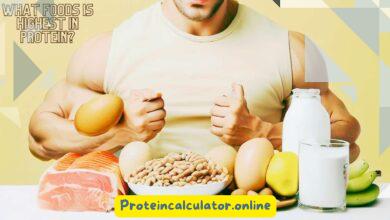
Reaching your protein goals means eating foods that are rich in protein. There are lots of sources of protein, both from animals and plants.
Animal-Based Protein Sources
Animal-based sources of protein include lean meats, like chicken and turkey, fish, eggs, and dairy products. These foods have all the essential amino acids your body needs.
Plant-Based Protein Sources
Plant-based sources of protein include things like beans, soy products, nuts, seeds, and whole grains. Some plant proteins might not have all the essential amino acids, but you can mix different plant foods to make sure you get everything your body needs.
Tips for Getting Enough Protein
Meeting your protein goals is easier when you plan your meals and snacks. Here are some tips to help you get the protein you need:
- Plan Your Meals: Think ahead about what you’re going to eat and include protein-rich foods in your plan.
- Choose Good Protein Sources: Go for high-quality proteins that are low in unhealthy fats. Things like lean meats, fish, low-fat dairy, and plant-based proteins like soy and quinoa are great choices.
- Add Protein to Every Meal: Make sure every meal has some protein. You can have eggs for breakfast, chicken or tofu in a salad for lunch, and fish or beans for dinner.
- Use Protein Supplements: If it’s hard to get enough protein from food alone, you can try protein supplements like powders, bars, and shakes.
- Keep Track: Keep an eye on how much protein you eat every day. There are apps and online tools that can help you see if you’re hitting your protein goals.
Conclusion:
Understanding how to calculate your protein needs is crucial for a healthy lifestyle. By considering factors like your weight, activity level, and dietary goals, you can figure out the right amount of protein for your well-being. Make sure to include a variety of good protein sources in your meals, plan what you eat, and keep an eye on your protein intake to stay on track. Protein should be a regular part of your daily nutrition to prioritize your health.
FAQs:
What are the recommended protein intake levels?
The recommended protein intake varies depending on your age, gender, and how active you are. In general, it’s advised to eat about 0.8 to 2 grams of protein for every kilogram of your body weight.
How does protein intake change for different goals?
Your protein needs can change based on your goals. If you’re trying to build muscle or do a lot of intense physical activity, you might need more protein than someone with different goals.
Can you have too much protein?
Yes, it’s possible to overdo it with protein. Too much protein can strain your kidneys and cause other health problems. It’s important to eat protein in the right amounts, and if you have specific concerns, it’s a good idea to talk to a healthcare pro.
Do you need to track your protein intake?
Tracking how much protein you eat can be helpful, especially if you have specific health or fitness goals. It ensures you’re getting the right amount and lets you make changes if needed.
Are there risks with eating too much protein?
Yes, eating too much protein, especially from low-quality sources, can lead to health issues like kidney problems, weaker bones, and nutrient imbalances. It’s important to have a balanced diet for good health.