Protein is a super important nutrient that does a lot of things in our bodies. Whether you’re an athlete trying to be your best or just want to stay healthy, knowing how much protein you need based on your weight is a must. This guide will help you figure out the right amount of protein for your unique needs.
Before we get into the protein details, it’s crucial to understand why protein matters. Protein is like the body’s building material. It helps make muscles, tissues, enzymes, hormones, and even things that keep you healthy, like antibodies. Plus, it helps your muscles heal, grow, and stay strong.
Different Protein Needs for Different People
The amount of protein you need depends on who you are and what you do. Here’s a quick look at different groups:
- Not Very Active Folks: If you don’t do much physical stuff, you don’t need as much protein.
- Regular Exercisers: If you do moderate activities like biking or jogging, you need a bit more protein.
- Endurance Athletes: If you’re into long-distance activities like running or swimming, you might need even more protein because your workouts are longer.
- Strength and Power People: If you lift weights or do sports that need quick bursts of power (like sprinting or weightlifting), you probably need the most protein.
How Much Protein Based on Your Weight
To figure out how much protein you should eat for your body weight, there’s a helpful guideline: Aim for around 0.6 to 1 gram of protein per pound you weigh. So, if you weigh 150 pounds, you might aim for 90 to 150 grams of protein each day.
But remember, your exact protein needs can depend on a bunch of things. Things like how active you are, how much muscle you have, how old you are, and your health goals all play a part.
Factors to Think About
When you’re figuring out your ideal protein intake, there are some important things to consider:
- How Active You Are: If you do a lot of exercise or strength training, you might need more protein to help your muscles repair and grow.
- Your Muscle Mass: If you’ve got more muscles, you probably need more protein to keep them strong.
- Your Age: As you get older, you might need more protein to keep your muscles from getting weaker.
- Any Health Stuff: If you’re dealing with certain health issues or healing from an injury, your protein needs could be higher to help your body recover.
- Is 200g of Protein a Day Enough to Build Muscle?
Protein Sources and Their Benefits
Now that we know protein is a big deal let’s look at different foods that give you protein and what’s good about them:
- Lean Meats: Things like chicken, turkey, beef, and pork are tops for protein. They’ve got the essential amino acids your muscles need to fix and grow.
- Fish and Seafood: Fish like salmon, tuna, and trout not only have protein but also omega-3 fatty acids that are super good for your health.
- Dairy Stuff: Milk, yogurt, and cheese are full of protein and have calcium and other important things. Low-fat or non-fat options are great for keeping things balanced.
- Eggs: Whole eggs or just the whites have all the amino acids your muscles need. They’re an easy and affordable source of protein.
- Plant-Based Protein: If you’re not into animal stuff, there are plant options:
- Legumes: Beans, lentils, and chickpeas are solid choices.
- Tofu and Tempeh: These are made from soy and have all the amino acids, which is good for veggie folks.
- Quinoa: This grain is unique because it has all nine essential amino acids.
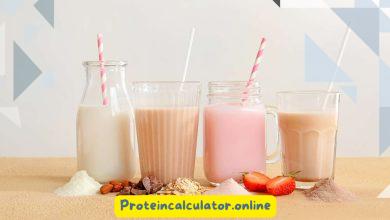
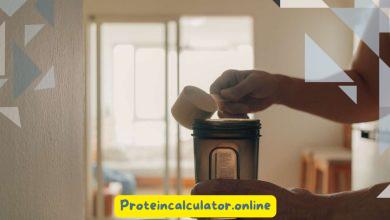
Whey Protein
Whey protein is a famous supplement known for being super easy for your body to use. Athletes and muscle-builders love it because it helps them get big muscles.
High-Protein Foods for Vegetarians and Vegans
If you’re not into meat or dairy, there are still great options:
- Nuts and Seeds: Almonds, peanuts, chia seeds, and hemp seeds have protein and healthy fats.
- Soy Stuff: Soy milk, edamame, and seitan are plant-based protein champs.
Conclusion:
Figuring out how much protein you need based on your weight is important for staying healthy and reaching your fitness goals. Think about how active you are, how old you are, and what your body needs. And don’t forget to mix up your protein sources to get all the good stuff. Always aim for a balanced diet, and if you’re not sure, chat with a healthcare pro or a dietitian for personalized advice.
FAQs:
1. How much protein should I consume if I want to build muscle?
To promote muscle growth, individuals engaged in resistance training should aim for approximately 0.7 to 1 gram of protein per pound of body weight.
2. Can consuming too much protein be harmful?
Excessive protein intake can put a strain on the kidneys and may lead to long-term health issues. It’s important to maintain a balanced and moderate protein intake.
3. Is it possible to meet protein needs with a plant-based diet?
Absolutely! Many plant-based protein sources, such as legumes, tofu, tempeh, and quinoa, provide all the essential amino acids required by the body.
4. Can I consume too little protein?
Inadequate protein intake can lead to muscle loss, impaired immune function, and delayed recovery. It’s crucial to meet your protein needs to support overall health.
5. Can protein help with weight loss?
Protein plays a key role in appetite regulation and can promote feelings of fullness. Incorporating protein-rich foods in your diet may aid weight loss efforts.