When you’re aiming for a healthy, strong body, working out is just part of the puzzle. Nutrition, especially protein, plays a starring role in both building muscle and shedding fat. In this article, we’re diving into the world of protein and how it can help you reach your goals.
Protein is a big deal among the nutrients. It’s a macronutrient made up of amino acids, which are like the Lego blocks your body uses to build stuff. Protein does all sorts of important jobs, like fixing muscles, helping them grow, and even making hormones.
Protein and Muscle Building
If you’re looking to get those muscles pumping, protein is your buddy. When you do activities like lifting weights, your muscles get tiny injuries. Protein steps in and fixes these injuries, making your muscles bigger and stronger. You can find protein in things like lean meats, fish, eggs, and dairy for animal-based protein. Or if you prefer plant-based options, legumes, nuts, seeds, and tofu do the trick.
Protein and Fat Loss
Protein isn’t just about bulking up; it can help you slim down too. One cool thing about protein is that it makes you feel full, which means you’ll eat less. Plus, your body uses more energy to digest and process protein compared to fats and carbs. That’s like a bonus calorie burn. So, when you’re trying to lose fat, having protein-rich foods in your diet can help you keep your muscles while shedding those extra pounds.
Balance Matters: The Role of a Well-Rounded Diet
While protein is the star of the show when it comes to muscles and fat loss, it’s not the whole story. You need a balanced diet to truly shine. Here’s why:
- Carbs for Energy: Carbs give you the energy you need for your workouts and help you perform at your best. They’re like your body’s fuel.
- Healthy Fats for Hormones and Nutrients: Fats are essential for making hormones and helping your body absorb important stuff. They’re like the traffic cops of your body, making sure everything runs smoothly.
- Diverse Foods for Good Health: To be super healthy and reach your fitness goals, it’s important to eat a mix of nutrient-packed foods. Variety is the spice of life, and your body loves it too!
How Much Protein Do You Need?
The right amount of protein varies from person to person. It depends on your age, gender, weight, and how much you move around. As a general guideline, it’s good to aim for about 0.8 to 1 gram of protein for every kilogram you weigh. But if you’re doing hardcore workouts or lifting weights, you might need more to help your muscles heal and grow.
In a nutshell, protein is a big deal, but it’s even better when it’s part of a balanced diet. So, go ahead and enjoy a mix of foods to keep your body in tip-top shape.
Different Types of Protein
Protein doesn’t come in just one flavor; it has many types, each with its special traits. Let’s check out some of the popular ones:
1. Whey Protein
Whey protein is a milk-based protein, and it’s like the superhero of proteins because it has all nine essential amino acids. Your body quickly slurps it up, which makes it perfect for recovery after a tough workout. You can find whey protein in concentrate or isolate forms. Isolate is the pure and super-fast-absorbing version.
2. Casein Protein
Casein protein is another milk protein, but it takes its sweet time getting digested and absorbed. This slow pace is why it’s a smart choice before bed. It gives your body a steady stream of amino acids all night, which helps your muscles recover and not break down.
3. Soy Protein
Soy protein is the plant-based protein champ. It’s got all the essential amino acids, making it a solid choice for vegetarians and vegans. Plus, it’s packed with antioxidants and might even have extra health perks.
| How Much Protein Per Lbs is Ideal? |
Plant-Based Protein Goodness
Plant-based diets are on the rise, and that’s great news because there are plenty of plant-based protein options to choose from:
1. Legumes
Legumes, like lentils, chickpeas, and beans, are protein powerhouses. They’re not just good for protein; they’re packed with fiber, vitamins, and minerals, so they’re like a nutritional jackpot.
2. Nuts and Seeds
Nuts and seeds, including almonds, walnuts, chia seeds, and hemp seeds, bring a solid dose of protein and healthy fats to the table. They’re versatile and can be sprinkled on your meals or enjoyed as snacks.
3. Tofu and Tempeh
Tofu and tempeh are the go-to protein sources for vegetarians and vegans. They’re made from soybeans and deliver not only protein but also other essential nutrients.
Animal-Based Protein Picks
If you’re into animal-based proteins, you’ve got plenty of options too:
1. Lean Meats
Lean meats like chicken breast, turkey, and lean beef are rich in high-quality protein and lower in fat. They’re also loaded with essential amino acids, iron, and vitamin B12.
2. Fish and Seafood
Fish like salmon, tuna, and shrimp are protein stars with a bonus of healthy omega-3 fatty acids. Omega-3s are super for your heart and help keep inflammation in check.
3. Eggs and Dairy
Eggs and dairy goodies like milk, yogurt, and cheese bring complete proteins to the table. They also come with calcium and other vital nutrients. Plus, they’re super versatile and can be part of many dishes.
The Wonders of Whey Protein
Whey protein is a superstar in the supplement world, and for good reason:
- Muscle Magic: Whey protein has all the essential amino acids your muscles love. It’s a top choice for muscle growth and repair.
- Quick Delivery: Your body slurps up whey protein super-fast, which makes it ideal for recovery after a hard workout.
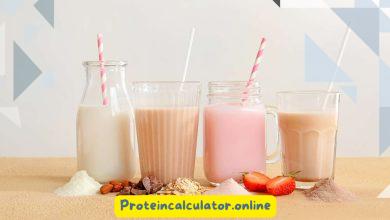
- Convenient: Whey protein is easy to add to your routine. It comes in different flavors and can be mixed with water, and milk, or used in smoothies and recipes.
Casein Protein: Slow and Steady Wins the Race
Casein protein has a unique superpower—slowing things down:
- Steady Release: Casein forms a jelly-like substance in your stomach, so it releases amino acids slowly. This helps with muscle recovery and prevents muscle breakdown.
- Extended Growth: The slow digestion of casein keeps your muscles in growth mode for longer, which is a win for muscle repair and growth.
Timing and Frequency of Protein
When it comes to protein, timing and how often you have it matter for reaching your muscle and fat goals:
Before You Sweat: Having some protein before a workout gives your body amino acids for energy and muscle protection. After Your Effort: Right after your workout (around 30-60 minutes) is prime time for protein. It helps with muscle repair and recovery. All Day Long: Make sure you spread out your protein intake during the day. This keeps a steady supply of amino acids for muscle building and maintenance.
Combining Protein with Exercise
Protein is a must, but it needs a workout buddy for the best results. Strength training and resistance exercises light the fire for muscle growth. To be your fittest self, you need a mix of activities, including cardio, flexibility training, and rest and recovery.
Common Protein Myths
Let’s bust some myths about protein:
Myth: Protein is tough on your kidneys. Fact: Protein within the recommended range doesn’t harm healthy kidneys. But if your kidneys have issues, talk to your healthcare pro.
Myth: Everybody needs protein supplements. Fact: While they’re handy for some, most folks can get enough protein from food.
Myth: Extra protein automatically means extra muscle. Fact: Building muscle needs more than just protein; you need exercise and the right calorie balance.
Protein Supplements
If you’re looking for a protein boost, here are some types of protein supplements:
Whey Protein Powder: This stuff comes in concentrate or isolate forms. It’s speedy to digest and your body loves it. Casein Protein Powder: Casein is a slow-release option, great for nighttime muscle TLC. Plant-Based Protein Powder: Pea, rice, and hemp protein are some plant-based choices for vegetarians and vegans.
But before diving in, chat with a healthcare pro or a dietitian to figure out what’s right for you.
Precautions and Side Effects
While protein is mostly safe, there are some things to watch out for:
Tummy Trouble: Big protein doses can lead to tummy woes like bloating, gas, and diarrhea. Slow and steady might be the way to go. Allergies: Some folks have protein allergies or sensitivities, like milk, soy, or eggs. Know your body and avoid triggers if you need to. Personal Needs: Your protein needs depend on your goals, health, and diet. A chat with a healthcare pro or a dietitian can help you find the magic number.
Conclusion:
Protein is your ally in the quest for muscle and fat loss. With the right types and amounts, you can get the results you want. But don’t forget about a balanced diet, a mix of workouts, and pro advice to make sure you’re on the right track to a strong, healthy body.
FAQs:
Q: Can you build muscles and lose fat at the same time?
A: Yes, you can build muscles while losing fat by doing strength exercises, eating well, and having fewer calories.
Q: Can I get enough protein from plant foods?
A: Yes, you can. Beans, tofu, nuts, and seeds have lots of protein and can give you what you need.
Q: Do I need protein supplements to grow muscles?
A: You don’t have to use protein supplements, but they can be handy for some people, especially if they have special diets.
Q: Can I eat too much protein?
A: If you eat more protein than your body needs, it might harm your kidneys and health. Stick to the recommended amount.
Q: Does protein help with losing weight?
A: Yes, protein can help you lose weight by making you feel full, eating fewer calories, and keeping your muscles strong.